Leadership change: Michèle Heurs hands over to Oliver Gerberding as ET Germany’s National Representative
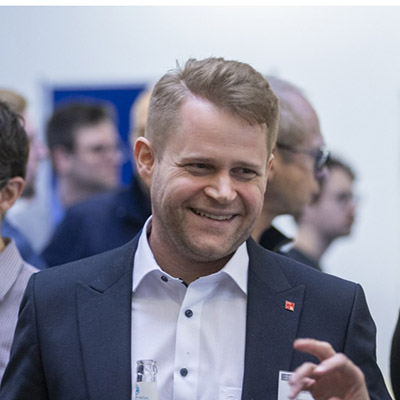
After three years in office, Michèle Heurs hands over her role as German Representative in the ET Forum of National Representatives to Oliver Gerberding. Oliver was unanimously appointed to this role by the German Research Unit leaders.

© Silvia Steinbach
© Silvia Steinbach
Formally, the National Representative (NR) has two mandates:
- The first is to be a member of the Forum of National Representatives (FNR), a forum within the ET Collaboration that shall “discuss organisational and scientific aspects of the ET collaboration at a higher and more aggregate level compared to the CB (collaboration board)” and the FNR shall support the need “to organise matters at a national level, e.g. arrange for national R&D programs with funding agencies” (see ETC bylaws).
- The second mandate is to “act as coordinator” for the German Coordination Group for the Einstein Telescope, facilitating the group to achieve its goals.
Michèle convened the first meeting of the German Coordination Group (consisting of the German RU leaders and representatives from involved organisations) in January 2024. Since then, the team has achieved a great deal together. „The past three years have been intense, exciting and very successful. I am very pleased with what we have accomplished in ET Germany in my role as FNR, and happy to hand over to Oliver”, Michèle says and adds: “I will continue to actively contribute to ET Germany and the international ET Collaboration with great enthusiasm, and I look forward to a very exciting term with major milestones to realising this excellent observatory.“ Oliver thanks Michèle for her efforts: „ET is now in a stronger position in Germany—both politically and scientifically—than ever before”.
Regarding his three-year term in office Oliver sees two major aspects as critical:
The first aspect is the continued development of the German ET Coordination during the imminent establishment of various new German structures and projects, such as research consortia/joint projects. These projects, which are about to come into effect this year, will reshape and grow the ET landscape in Germany significantly. The ET Germany Team will need to establish effective and sustainable processes, e.g. for onboarding of new members, it will have to integrate the various projects into the upcoming ET R&D roadmap, and it needs to discuss and develop joint strategies for e.g. long-term R&D funding requests to the German government, and how progress and approaches can be reviewed and evaluated.
The second aspect is the scheduled site decision and the timely approval of ET. The site decision will be a challenge for the ET Collaboration and for the German community. While the respective site teams are engaged in preparations and putting their version of ET and in putting together excellent bid books, the German community also has to look ahead to the time after such a decision is taken. This will have to include forming and later executing ideas for the approval of the German ET contributions by the German government and establishing structures such that they can be sustained or correspondingly adapted after a site decision has been taken.
Taken together, these developments will shape the future role of the German ET community. They require close coordination, strategic foresight, and a collaborative approach across all participating institutions.